
Choose a Soap for free when you spend £25 or more*
Choose Your Soap


-

Laundry & Stain Removing
Three formats
Marseille soap flakes, laundry bars and liquid soaps used for washing clothes and treating stains. -

Traditional Ingredients
Store Cupboard Essentials
Sodium Percarbonate, Citric Acid, and more for daily cleaning. -

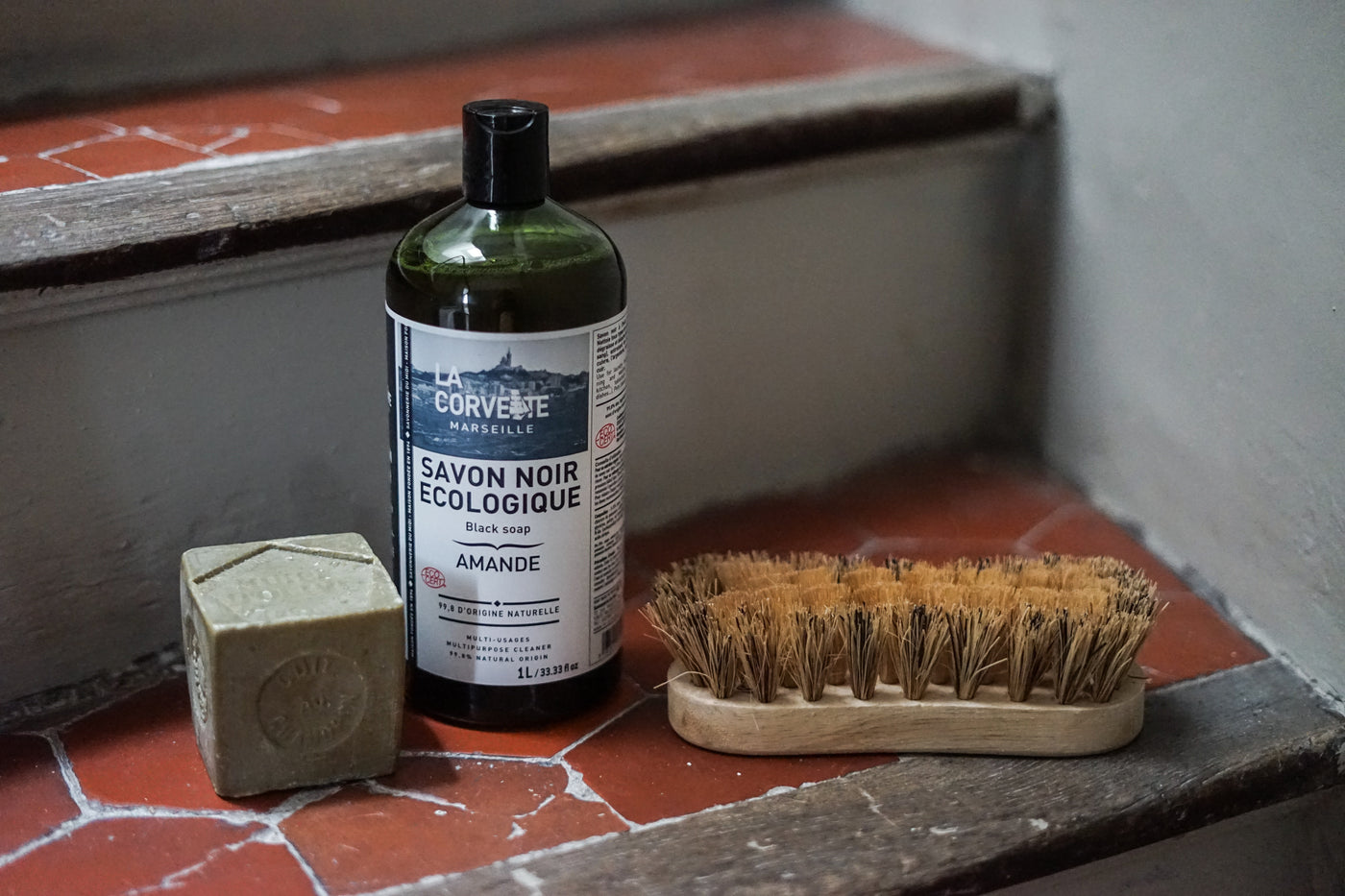
Savon Noir
Black Liquid Soap
Concentrated olive oil soap diluted for floors, surfaces and general household cleaning. -

Targeted cleaning
Ready to use
Specialist soap-based solutions for glass, limescale and stubborn marks. -

Washing Up
Bars & Liquids
Plant oil soaps for washing dishes and other home use.


Customer favourites
View all-
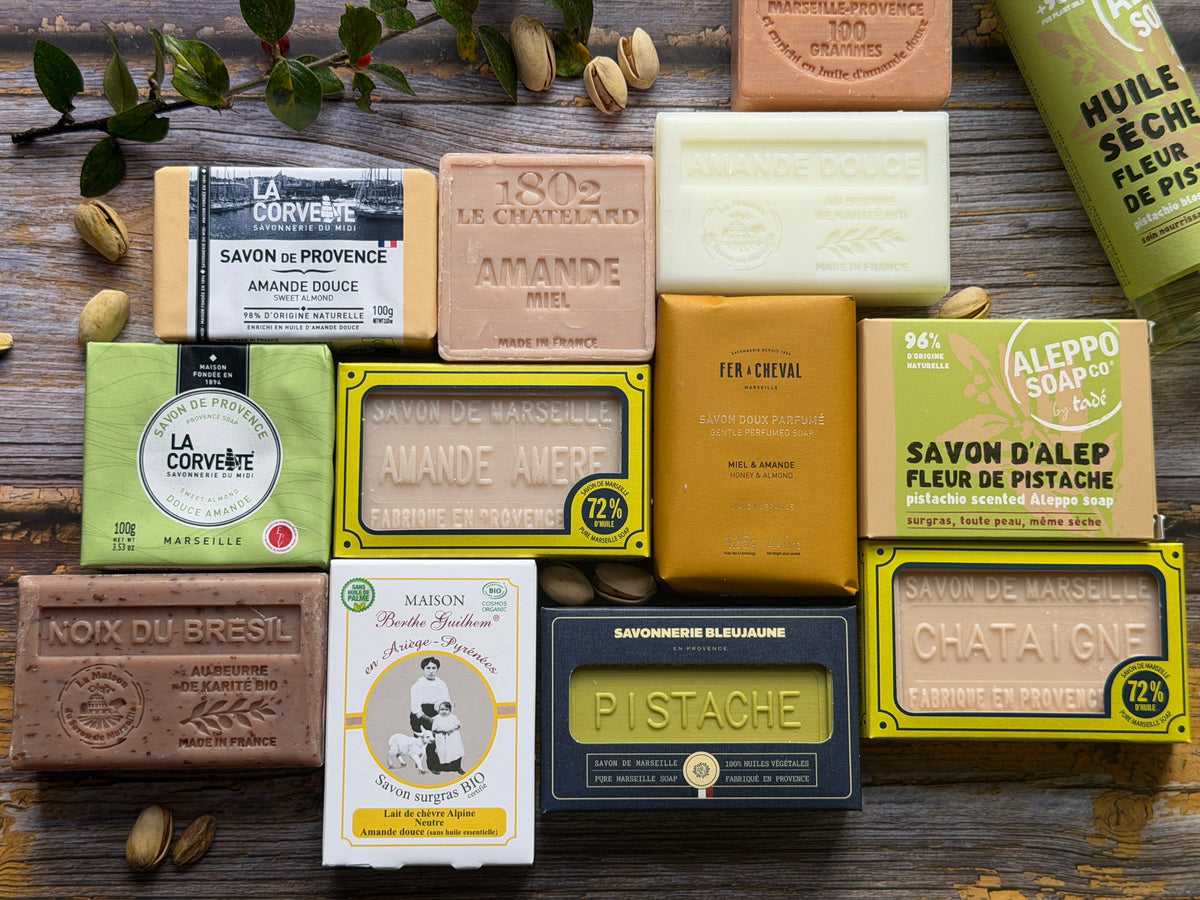
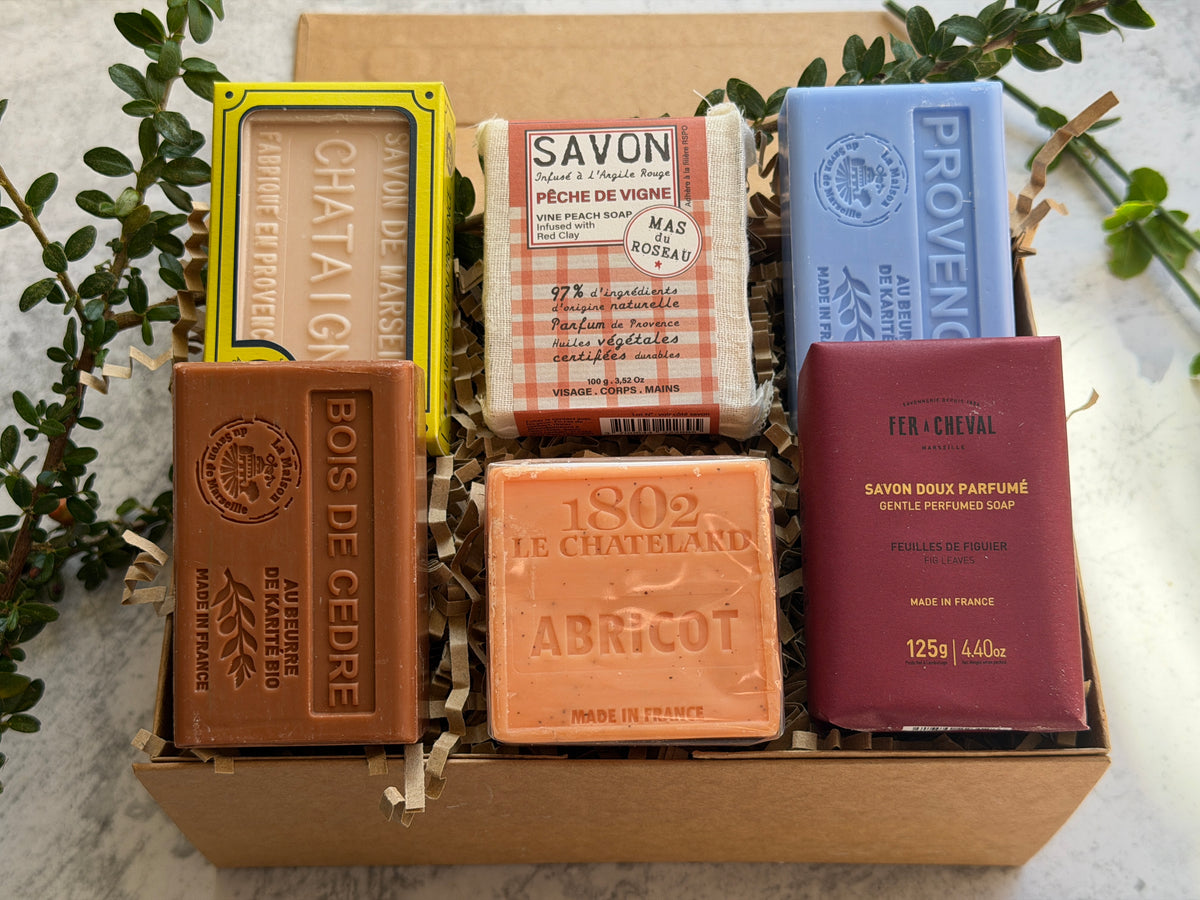
LA MAISON DU SAVON DE MARSEILLE
 Classic Marseille Soap
Soft & Comforting for Hands, Face, Hair and Body
Regular price £17.50Unit price -
-
COLLINES DE PROVENCE
Agrumes du Verger – Laundry Fragrance – 100ml
Whole-Home FragranceLaundry • Approx. 35 Washes
Regular price £20.00Unit price -
-
Fragrance-FreeLA CORVETTE

Marseille Washing Up Liquid – Fragrance Free - 500ml
Cauldron-made Marseile SoapHousehold
Regular price £6.00Unit price -
-
Fragrance-FreeFER A CHEVAL

Traditional Savon de Marseille - Natural - 750g Soap Flakes
Traditional, Cauldron-madeLaundry • Household
Regular price £15.00Unit price -
-
Allergen-FreeFER A CHEVAL

Marseille Soap Laundry Liquid – Fresh Spring – 2L
Savon de Marseille formulationLaundry
Regular price £20.00Unit price -
-
Out of StockBLEU JAUNEBespoke Grasse fragrance
Gentle & Comforting for Hands, Face, Hair and Body
Regular price £15.00Unit price -
-
 BLEU JAUNEBespoke Grasse fragrance
Gentle & Comforting for Hands, Face, Hair and Body
Regular price £18.75Unit price -
Fragrance-FreeLA DROGUERIE ÉCOLOGIQUE
Concentrated Dishwashing Powder - 1kg
65 washes per Pack • Ready to use & NaturalHousehold
Regular price £17.50Unit price -
-
Fragrance-FreeFER A CHEVAL
Traditional Savon de Marseille – Olive Oil – 8 × 300g Cubes
Cauldron-madeHands, Face, Hair, Body, Laundry and Household
Regular price £35.00Unit price -
-
COLLINES DE PROVENCE
Coton des Champs – Laundry Fragrance – 100ml
Whole-Home FragranceLaundry • Approx. 35 Washes
Regular price £20.00Unit price -
-
Fragrance-FreeLA DROGUERIE ÉCOLOGIQUEOxygen Whitener, Brightener & Stain Remover
Laundry • Household
Regular price £20.00Unit price -
-
COLLINES DE PROVENCEDark Woods & Soft Lighting
Natural Wax • Approx. 40hr Burn Time
Regular price £20.00Unit price -


Search


Why French Soap Is Exceptional
The method, climate and oils behind it.
For centuries, vegetable oils have been slowly saponified in large cauldrons and then dried and matured in the natural climate of the Mediterranean. This combination of formulation, craft and environment produces soaps with a distinctive character that cannot easily be replicated elsewhere.
Traditional cauldron soapmaking
In Marseille, soap is slowly cooked in large cauldrons over several weeks. The long process allows oils and alkaline salts to fully react, creating a stable and long-lasting soap.
The role of climate
After cooking, traditional soaps are dried and matured in open air. The warm, dry Mediterranean climate helps the soap harden slowly and evenly, contributing to the durability and texture for which these soaps are known.
Vegetable oil foundations
Olive, coconut and laurel oils create balanced cleansing without relying on synthetic detergents. The resulting soap is simple, effective and naturally biodegradable.
Savon de Marseille was historically used for washing wool, silk and fine fabrics because of its gentle vegetable-oil composition.
Place and tradition
Soap produced in Marseille or Aleppo reflects centuries of local knowledge, materials and environmental conditions. The same formula made elsewhere may resemble these soaps, but it rarely develops the same character.

Choosing Soap
Start with how the soap will be used. Traditional soap is simple and versatile.
For gentle cleansing
Olive-rich soaps and milk soaps are often chosen for their softer, conditioning feel.
By fragrance
From fragrance-free Marseille soap to classic Provençal scents.
By purpose
Large Marseille cubes are often used for laundry and household cleaning, while smaller bars are preferred for everyday washing.

Why Proper Soap feels Different
Traditional plant-oil soap behaves differently from many modern bars.
That difference comes from its simpler composition and traditional production method.
Lather depends on water
Traditional soap does not rely on synthetic foaming agents. Lather varies with water hardness and often appears lighter in hard-water areas.
Simple composition
Proper soap is made from saponified oils rather than synthetic detergent systems.
Slow curing
Many traditional soaps are matured and dried before sale, producing a firmer and longer-lasting bar.
A large Marseille cube can last several months of daily use because of its slow curing and dense structure.


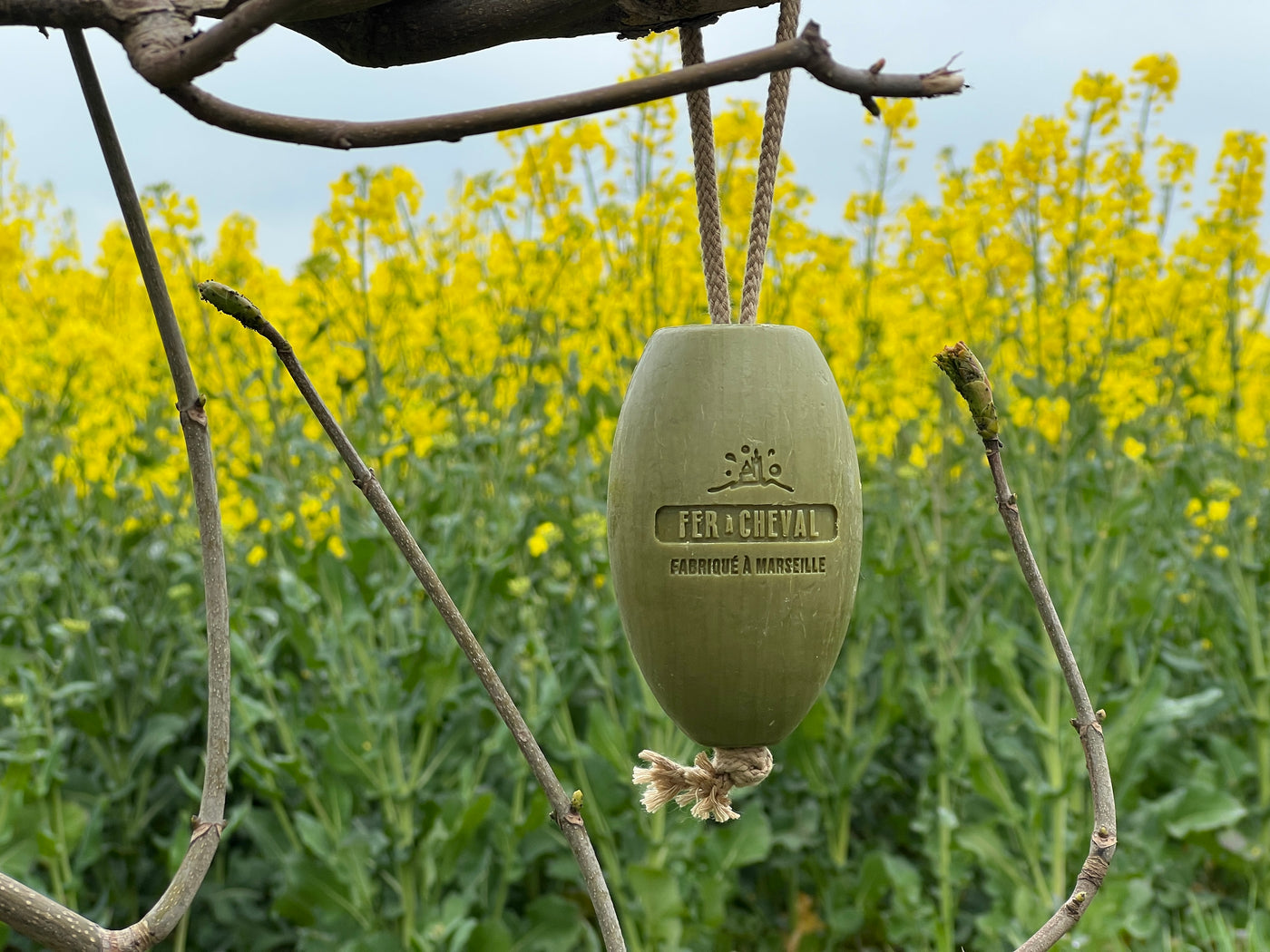
AN ICON
A soap on an arm that fixes to the wall for mess free use.
The soap rotates as it is used so dries quickly meaning each one lasts around 800 hand washes before being replaced.
Replacement soaps available in 16 fragrances.